
Two Stage Compressors
- Home
- Two Stage Compressors
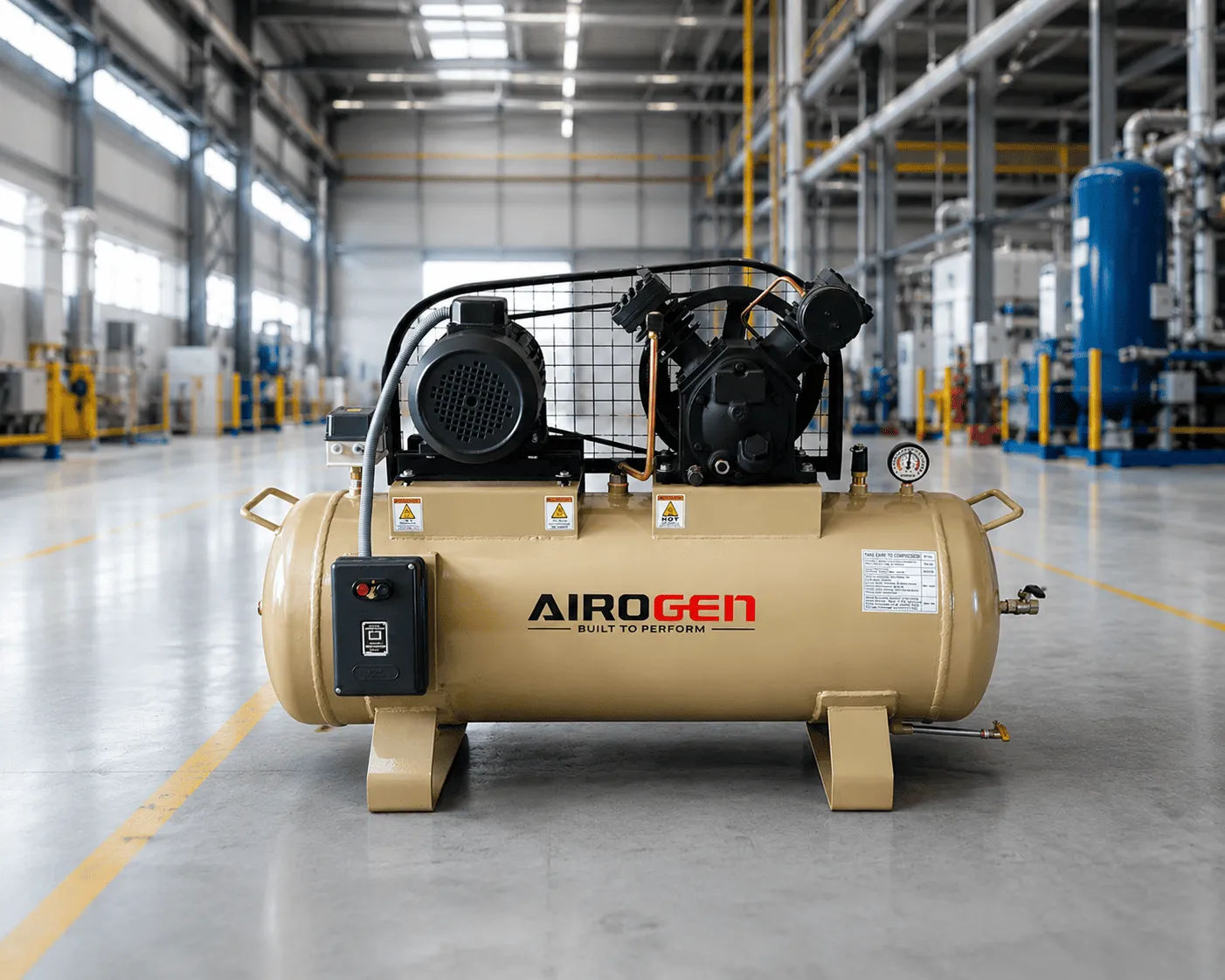
High-Quality Two Stage Air Compressors
A two stage air compressor uses two cylinders to compress air in steps, achieving higher pressure with better efficiency than single stage units for continuous or heavy-duty work.
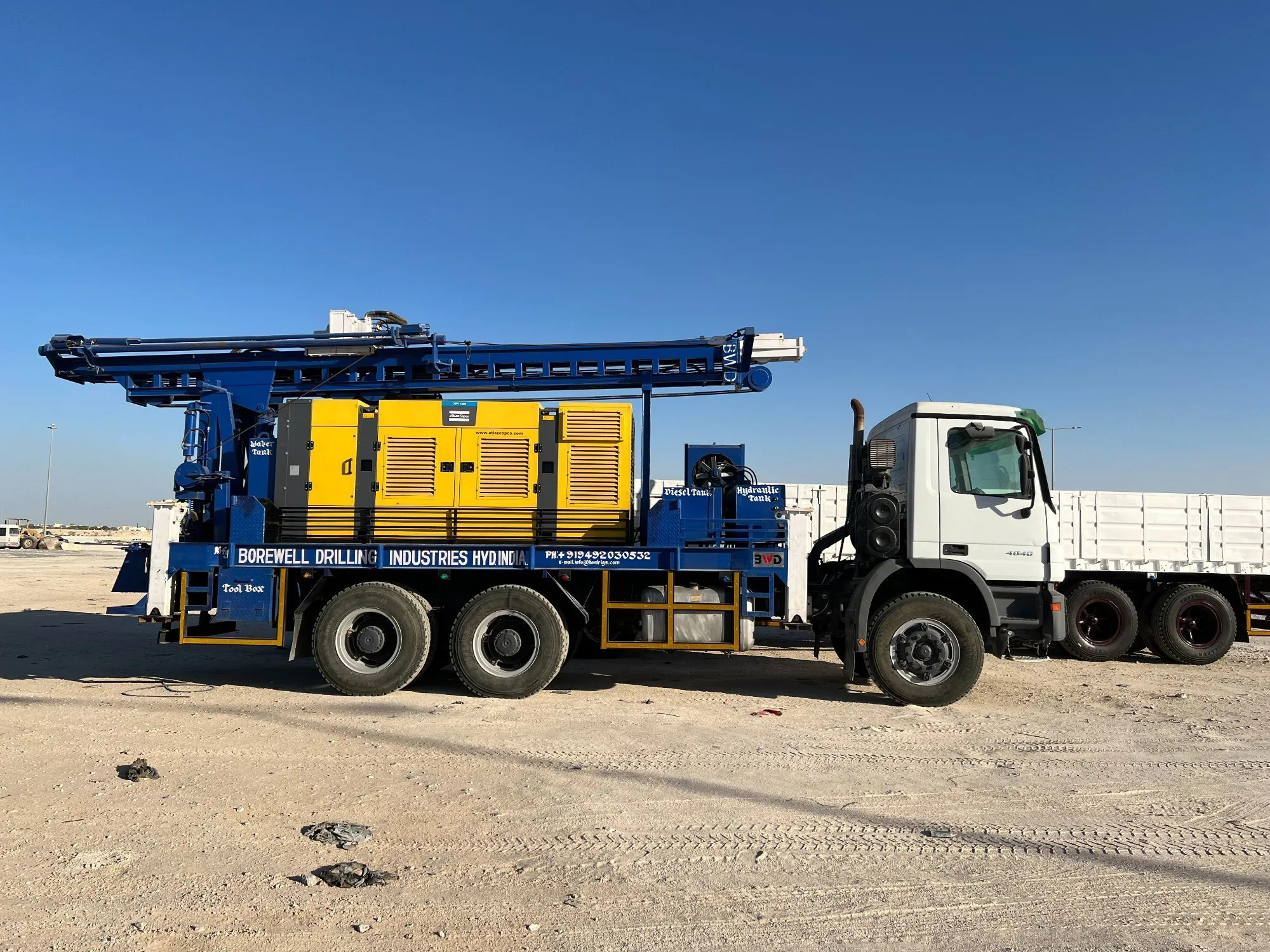
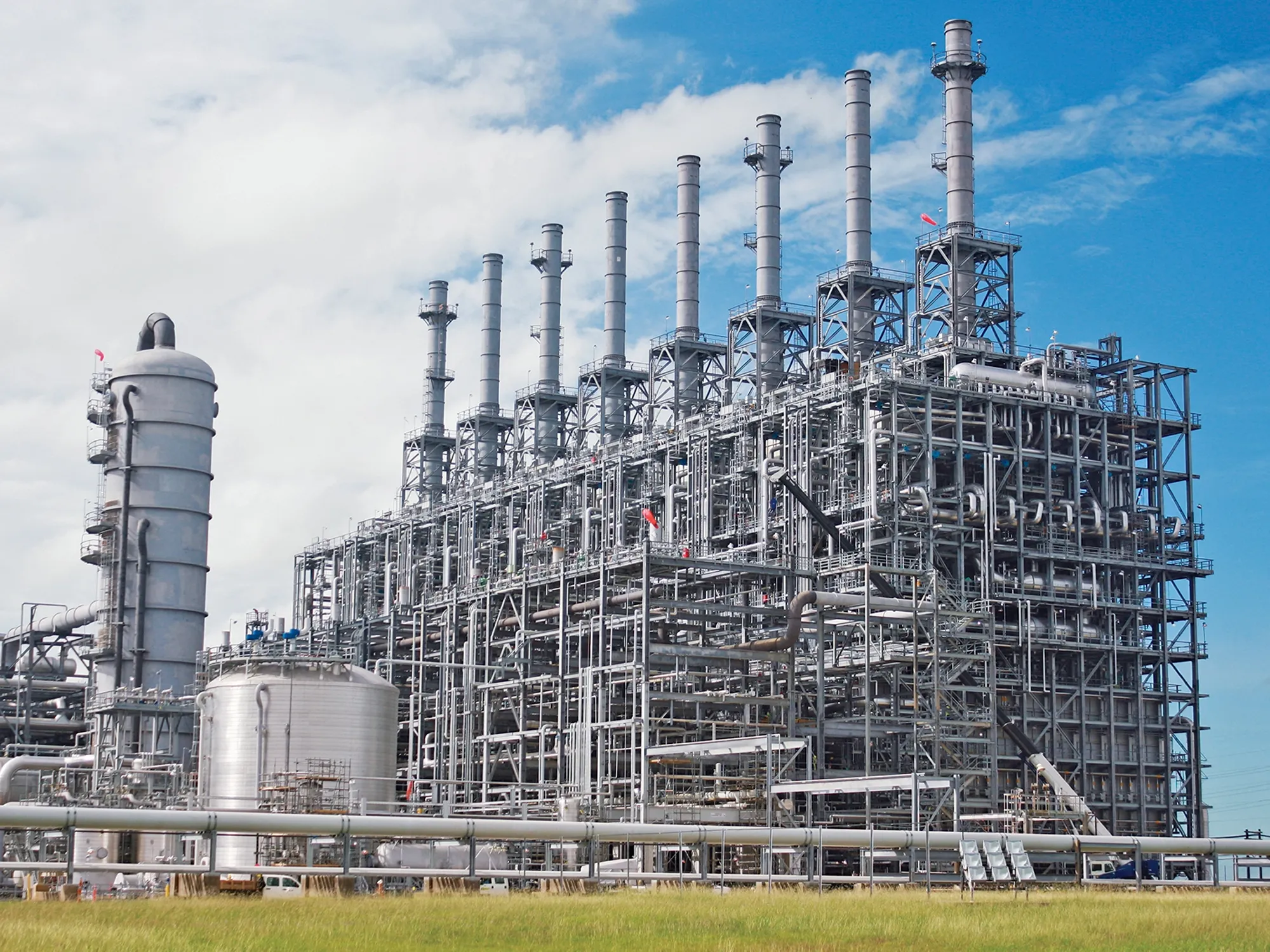
Ideal for industrial, commercial, and workshop applications that need reliable medium-to-high pressure air—including manufacturing, pneumatic tools, and process lines across Gujarat.
Key Advantages
Two Stage Compressor Benefits
Versatility
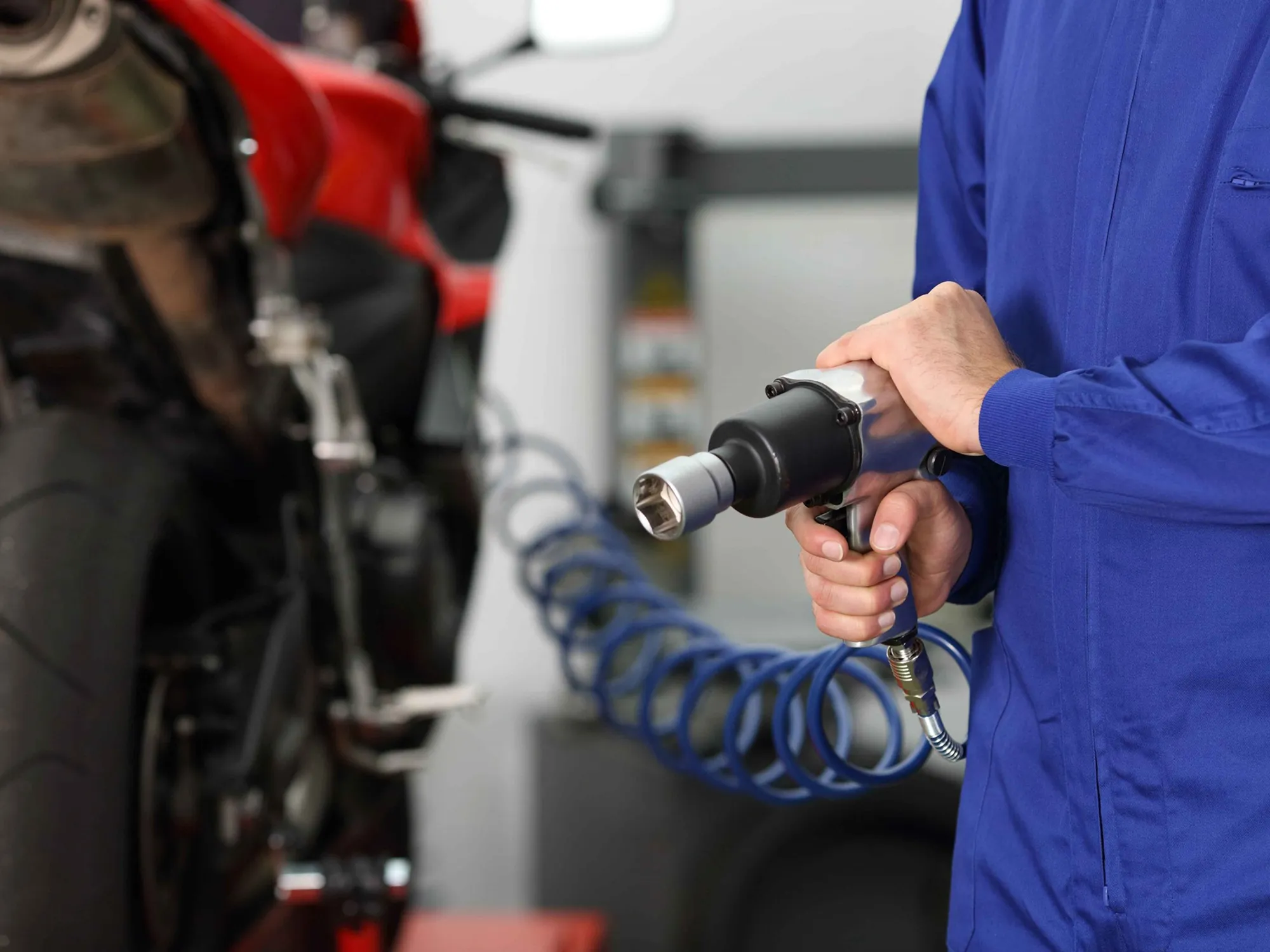
Suitable for various jobs including inflating tyres, powering pneumatic tools, and handling light to moderate-duty applications. Perfect for both professional and DIY users.
Energy Efficiency
Designed for efficient short task cycles and lower power consumption, making them excellent for areas with limited electrical supply while reducing operating costs.
Wide Availability
Popular and widely available with various models in different sizes and capacities, catering to specific needs and budgets from compact home units to moderate task models.
Durability
Made with durable materials designed to withstand demanding environments, ensuring consistent and reliable performance over time for both professional and DIY projects.
Working Principle
Engineered for stable pressure and flow with clear construction, operating within typical industrial pressure ranges for reliable day-to-day use.
Ideal Applications
Perfect for home garages, workshops, automotive repair, and construction sites where average air pressure and portability are essential requirements.
Everything You Should Know About Two Stage Compressors
- Working Principle
- Advantages & Applications
- Technical & Support
- How does a two stage air compressor work?What is the typical pressure range?What happens during normal operation?How is heat managed?How is it different from other compressor types?
- What are the main advantages of two stage air compressor?What applications are ideal?Are they suitable for small businesses?How energy efficient are they?What are the limitations?
- What maintenance is required?How long do they last?Can equipment be moved easily?What power requirements are needed?How can I choose the right model?